
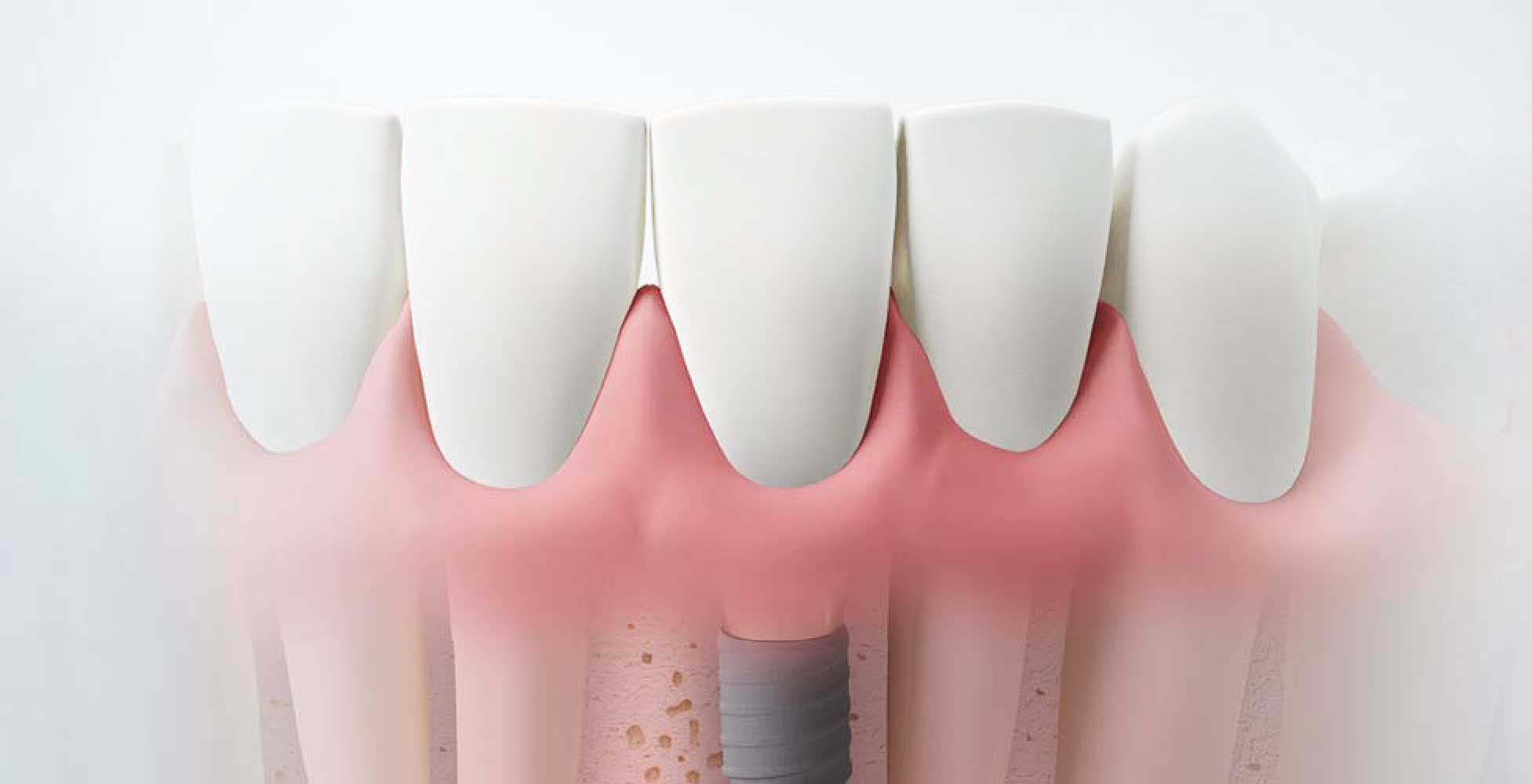
Dentistry has changed dramatically over the last 30 years. Dental implants are the treatment of choice for missing a single tooth or multiple teeth.
Dr. Lee has been placing dental implants for 20 years with a 99% success rate with very little to no bone loss over many years expanding into decades. Dental implants are inserted into the bone to act as tooth root substitutes. If you have adequate bone levels and density, are generally not prone to infection and can maintain stringent oral hygiene – then you’re the perfect candidate for dental implants.
***PLEASE READ*** With so many questionable brands with little to no long term research, choosing the best brands (and surgeon) are critically important. At Signature Dental, we only restore the highest quality implants from the most reputable companies such as Ankylos, Astra, Hiossen/Osstem, Nobel Biocare, Straumann, and Zimmer Biomet .

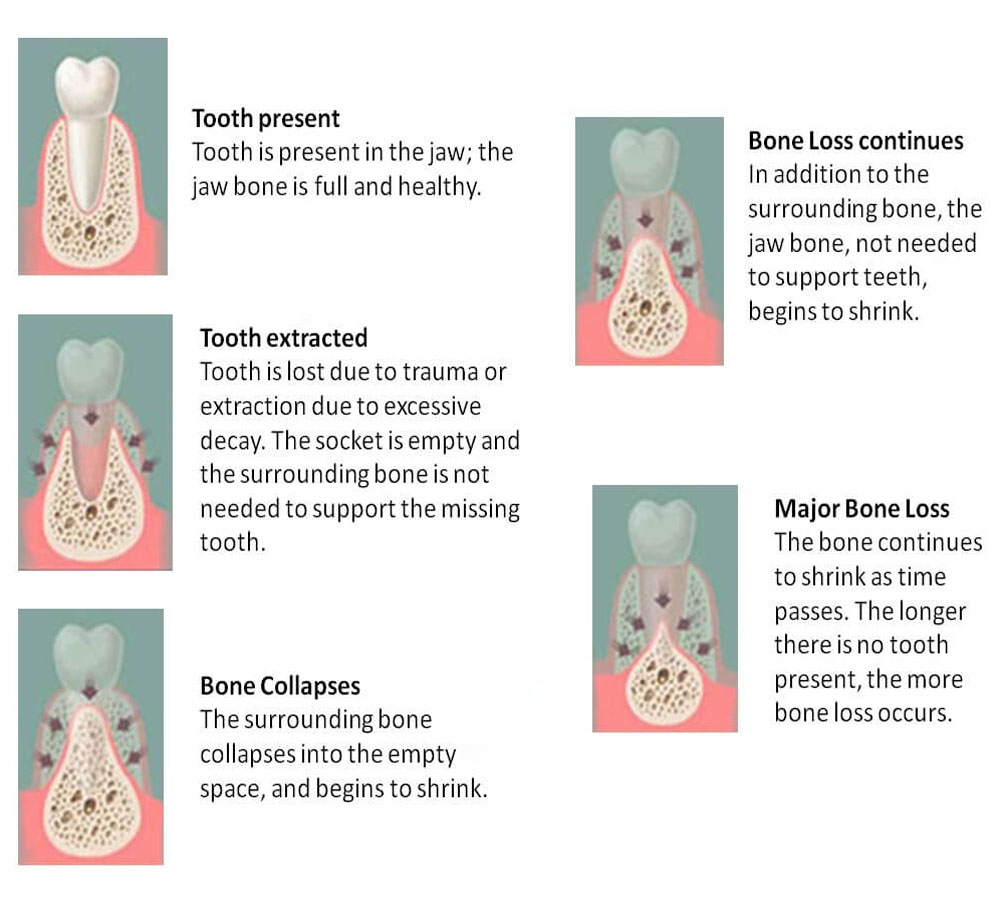
Preserving Tooth Structures and Bone:
Deciding to get your dental implants at our Upland dental office has many benefits.
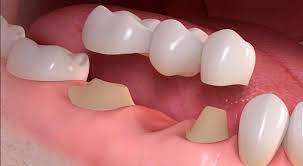
A bridge to replace missing teeth have been used for hundreds of years. This involves grinding adjacent teeth to cement a prosthesis which is essentially 3 crowns attached together. But with implants, you don’t have to grind on the neighboring teeth to support a bridge restoration. The adjacent natural teeth are left untouched, a significant long-term benefit to your overall oral health. Why grind on healthy teeth to replace a missing tooth?
A thorough dental evaluation is made using a 3D CBCT (Cone Beam Computed Tomography) scan to evaluate the precise anatomy of the upper and lower jaw.
During the surgery appointment, the implant body is placed within the bone (in the area missing a tooth). Stitches are placed to close the surgical site. This procedure may take up to several hours and six months may be required for the bone to grow around the implant. Immediately following the surgery, you will be prescribed painkillers and antibiotics, as necessary, along with receiving instructions on diet and oral hygiene.
After the period of implant stabilization (around 4-5 months), it is time contour the surrounding gums. This is done with a healing abutment, which looks like a tiny metal stud.
In a weeks, the healing abutment is replaced with the final abutment, where the final crown will be seated.
On average, the success rate for implants is around 96 percent for those placed in the front of the lower jaw and 93 percent for those placed in the sides and rear of the upper jaw. At Signature Dental, our success rates are closer to 99% and we are continuously improving as the profession continues to benefit from new techniques and technology.
Implants will last for many years to come! However, just like natural teeth, you can expect gradual bone loss as we age. In addition, chronic problems such as clenching, bruxism or systemic diseases such as diabetes, will reduce the success rate for implants. People who smoke or drink alcohol have lower success rates as well.
There are few things in life that last a lifetime and dental implants are no different. Should a problem arise, it normally does during the first six months to a year following surgery, during the period of bone healing. After this period, problems appear to be less frequent, with only occasional bite adjustments required.
Overall, a commitment to good oral hygiene and regular visits to the dentist is essential in the long term success of any implant.
Full mouth reconstruction with dental implants commonly involves All-on-4, All-on-6, and 3-on-6 techniques. These are fixed (non-removable) options that replace an entire arch (upper or lower jaw) of teeth, but they differ in implant number, prosthesis design, bone requirements, aesthetics, hygiene, and suitability.
| Aspect | All-on-4 | All-on-6 | 3-on-6 |
|---|---|---|---|
| Implants per Arch | 4 (often angled, including posteriors) | 6 (straighter placement possible) | 6 (usually 2 per bridge segment) |
| Prosthesis | One continuous full-arch bridge (teeth + artificial gums) | One continuous full-arch bridge (teeth + artificial gums) | Three separate fixed bridges (teeth only) |
| Aesthetics & Feel | Good, but often looks/feels more like a denture due to pink acrylic gums | Similar to All-on-4 | Most natural: sits at natural gumline, looks and feels like real teeth |
| Hygiene | Harder; food can trap underneath; often needs removal for deep cleaning or water flosser | Similar to All-on-4 | Easier: brush/floss like natural teeth (between segments) |
| Bone Requirements | Best for moderate-severe bone loss (angled implants maximize existing bone; less grafting) | Needs more bone volume | Requires good bone height/volume (often more grafting) |
| Stability & Load | Good; forces on fewer implants (higher stress per implant) | Better distribution, redundancy | Excellent distribution across 6 implants + segmented design |
| Surgery & Timeline | Often “teeth in a day” possible; shorter surgery | Longer surgery than All-on-4 | May require longer healing; more precise placement |
| Cost | Generally lowest | Higher than All-on-4 | Often similar or higher (more materials/labor for bridges) |
| Repair | Entire prosthesis affected | Entire prosthesis affected | Easier; individual bridges can be repaired |
| Best For | Bone loss, budget, speed | Good bone + desire for extra support | Patients with adequate bone wanting maximal natural feel/hygiene |
All-on-4:
All-on-6:
3-on-6:
Recommendation: The best choice depends on your bone volume, budget, aesthetic priorities, and lifestyle. Call us for a personalized evaluation (including 3D imaging). These are complex procedures—provider experience matters significantly. Costs vary depending on case complexity (often $15k–$30k+ per arch).